 Enu
EnuDreaming of studying in Germany without breaking the bank? Many international students ask, is Germany university free for international students. The short answer is yes for most public universities, but exceptions and fees add up fast. This guide breaks it down with fresh 2026 details so you can plan smart.
You’ll learn about tuition rules, hidden costs, state differences, and tips to apply. Always check official university sites for the latest, as policies shift.
Quick Answer: Mostly Yes, But Not Everywhere
Public universities in Germany charge no tuition for bachelor’s and most master’s programs. This applies to international students from non-EU countries too. Taxes fund it all.
Key caveats exist though. Here’s the essentials:
- No tuition at 95% of public unis for all students.
- Semester fees of €100-€350 cover services and transit.
- Baden-Württemberg hits non-EU students with €1,500 per semester.
- TUM in Bavaria now charges non-EU bachelor’s €2,000-€3,000 and master’s €4,000-€6,000 per semester.
- EU/EEA students dodge these extras everywhere.
- Private unis? Expect €10,000+ yearly.
How Germany’s Free Tuition System Works
Germany keeps higher education public and affordable. The federal government and states cover costs. You focus on living expenses instead.
This setup draws over 400,000 international students yearly. Programs in English abound, especially master’s. No need for German in many cases.
One catch: consecutive master’s in a new field might trigger fees at some schools. Stick to related subjects to stay free.
Public Universities: The Free Option for Most
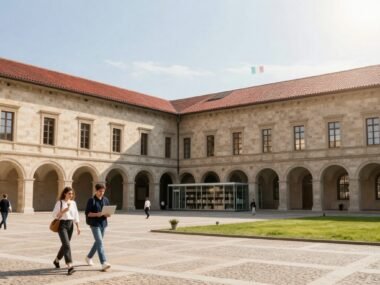
Over 400 public institutions offer tuition-free spots. Think Humboldt University or LMU Munich. Non-EU students qualify just like locals.
Admissions base on grades, motivation letters, and language skills. No application fee at most places.
Success stories flood in. Students land at top schools like those in Berlin or Heidelberg with zero tuition debt.
Exceptions That Could Cost You Big
Not all public unis play fair. Baden-Württemberg leads the pack. Non-EU students pay €3,000 yearly there at unis like Heidelberg or Freiburg.
TUM bucks the trend too. From winter 2024/25, it added fees for non-EU folks. Bachelor’s runs €4,000-€6,000 yearly; master’s doubles that.
Other spots might follow. Always verify per uni and state.
Semester Fees: What You Really Pay
Everyone pays these. They fund student unions, gyms, and public transport passes. Range from €100 in small towns to €350 in cities.
Breakdown:
- Admin costs: €50-€100
- Transit ticket: €50-€200 (often yearly)
- Support services: €20-€50
Total yearly? Around €700. Cheap compared to US tuition.
Private Universities: High Cost, High Prestige?
Skip these if free is your goal. Fees hit €10,000-€40,000 per year. Business schools top the list.
EU vs Non-EU: Who Pays What?
EU/EEA students enjoy zero extras nationwide. Non-EU face state-specific hits.
| Student Type | Tuition at Most Public Unis | Baden-Württemberg | TUM (Non-EU) |
|---|---|---|---|
| EU/EEA | Free + semester fees | Free + fees | Free + fees |
| Non-EU | Free + semester fees | €1,500/semester | €2k-€6k/sem |
This table shows the split clearly.
Living Costs: The Bigger Budget Item
Tuition free? Great. But Berlin rents €800 monthly, food €300. Total living: €10,000-€15,000 yearly.
Blocked account proves €11,904 for visas. Part-time jobs help; 20 hours weekly max.
Scholarships from DAAD cut costs. Apply early.
Step-by-Step: Apply to a Free German Uni
- Pick programs on uni sites or DAAD database.
- Check deadlines (July/January usually).
- Gather transcripts, CV, motivation letter.
- Prove language (TestDaF/IELTS).
- Apply via uni-assist or direct (€75 fee possible).
- Get admission, then visa.
Before enrolling:
- Confirm no tuition for your program/state.
- Budget semester fees.
- Secure health insurance (€110/month).
Pros and Cons of Studying Free in Germany
Pros:
- World-class education at low cost.
- Strong job market post-grad.
- English options galore.
- Central Europe travel easy.
Cons:
- Competitive admissions.
- Cold winters, bureaucracy.
- Living costs add up in cities.
- Exceptions like Baden-Württemberg sting.
Common Pitfalls and Fixes
- Miss state fees: Research location first.
- Ignore deadlines: Uni-assist processes take months.
- Wrong program: Consecutive master’s fees surprise some.
- Visa delays: Start blocked account early.
- No German: Limits free options slightly.
Student testimonials echo this. One at Aston (UK, but similar process) praised counselors for smoothing apps. Seek free counseling too.
Changes Coming in 2026
Watch updates. TUM fees stick; more unis might charge. Minimum wage rises help part-timers.
Scholarships and Funding Boosts
DAAD offers €934 monthly. Uni-specific grants too. Work on campus or off.
Tips for International Students
Hunt English-taught programs. Network via fairs. Budget €850 monthly minimum. Join student unions for perks.
FAQs
Is every German university free for internationals?
No, privates charge; some publics have exceptions.
Do I pay semester fees as non-EU?
Yes, everyone does.
Baden-Württemberg: worth it despite fees?
Top unis like Heidelberg; compare value.
Visa needs proof of funds?
€11,904 in blocked account.
English programs free?
Mostly yes at publics.
Private unis better?
For niche fields, maybe; otherwise stick public.
Conclusion
Is Germany university free for international students in 2026? Yes at most publics, saving you thousands. Watch Baden-Württemberg and TUM.
Weigh costs, apply wisely, chase scholarships. Your dream degree awaits. Book a counselor chat today and start.
Ready? Check DAAD now. Share your questions below.


 Enu
Enu