 Enu
EnuThe DS-160 is where many student visa delays start, and most of the problems are small ones. A wrong date, a mismatched passport number, or a guessed travel plan can slow everything down.
For DS-160 student visa applicants, the form is part of the visa interview process for F-1 and M-1 students, not the school admission process. We fill it out online, upload a photo, print the confirmation page, and bring that page to the interview.
If we want the wider picture around the full student visa process, our step-by-step guide to student visas is a useful companion. For the official U.S. instructions, the U.S. student visa page is the place to keep open in another tab.
What the DS-160 does, and why we need it
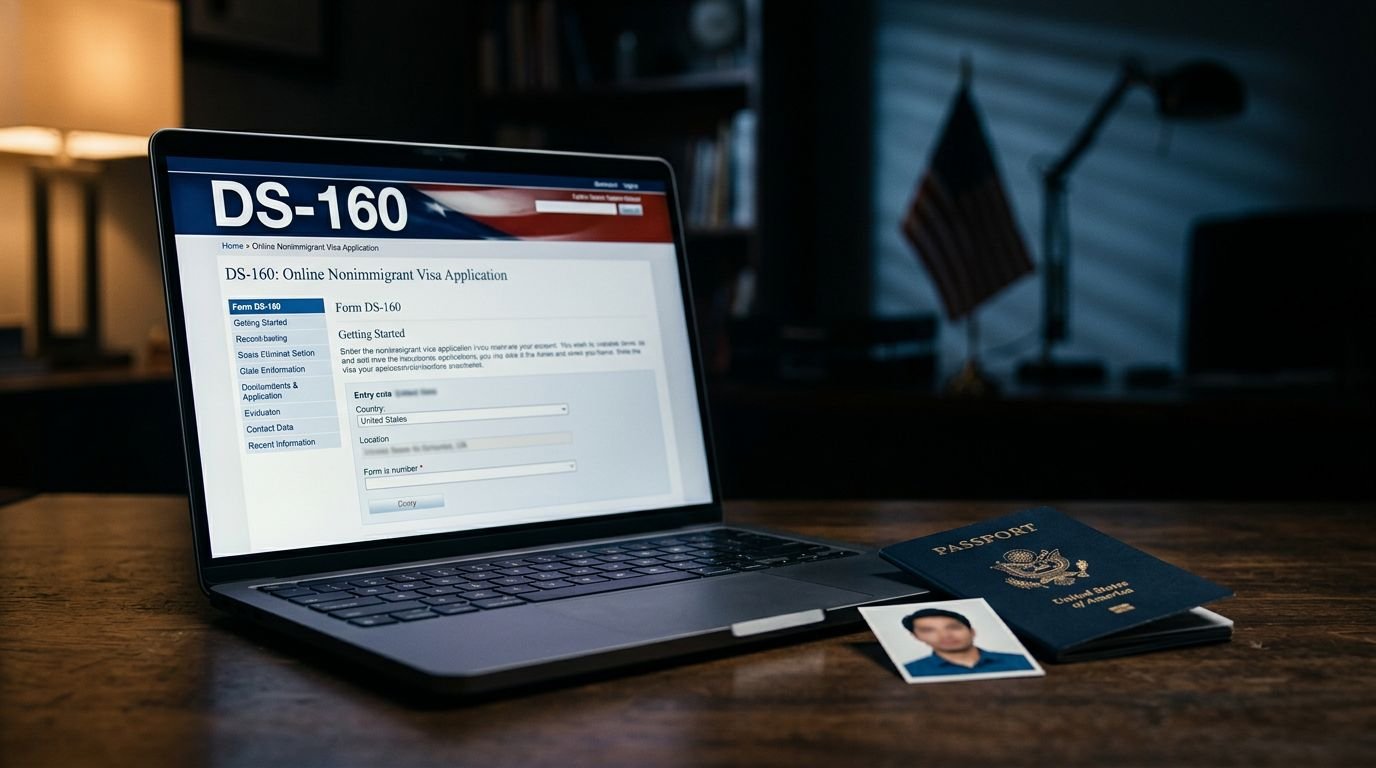
The DS-160 is the online nonimmigrant visa application used for student visa interviews. It is not the visa itself, and it is not the same thing as our school application.
In 2026, the form is still required for F-1 and M-1 student visas. We complete it online, upload a photo that meets U.S. rules, then print the confirmation page with the barcode. That page is one of the first things the consular officer expects to see.
We also need to separate the costs in our heads. The visa application fee is $185, and the SEVIS I-901 fee is $350. One does not replace the other.
There is one more timing point that matters. We do not need to finish the DS-160 before we schedule the interview, but we do need the Application ID from the form start. That number lets us pick up the application later.
For F and J visa interviews, the current rule points applicants to the country of nationality or residence, so we should check the local embassy or consulate website before we make travel plans. Rules can vary by post, and local instructions always win.
Gather every document before we open the form
The form is easier when we sit down with everything in front of us. That way, we are not guessing while the page times out or trying to remember a passport number from memory.
| What we need | Where it comes from | Why it matters |
|---|---|---|
| Valid passport | Our current passport | Names, number, and issue dates must match exactly |
| I-20 or school document | Our U.S. school | It shows the school name, SEVIS ID, and program details |
| School contact info | Admissions or international office | The form may ask for a U.S. point of contact |
| Travel plans | Our own plans, if known | We can enter best estimates when dates are not final |
| U.S. address | School housing, host family, or first stay | The form may ask where we will stay first |
| Education history | School records | Dates and names should be accurate |
| Work history | CV, resume, or work records | We may need employers, dates, and job titles |
| Photo | Digital visa photo | The form asks for a compliant upload |
| Previous U.S. travel | Old visas, passports, or records | We may need visa and entry history |
| Social media identifiers | Our own accounts | Some applicants must list the handles they use |
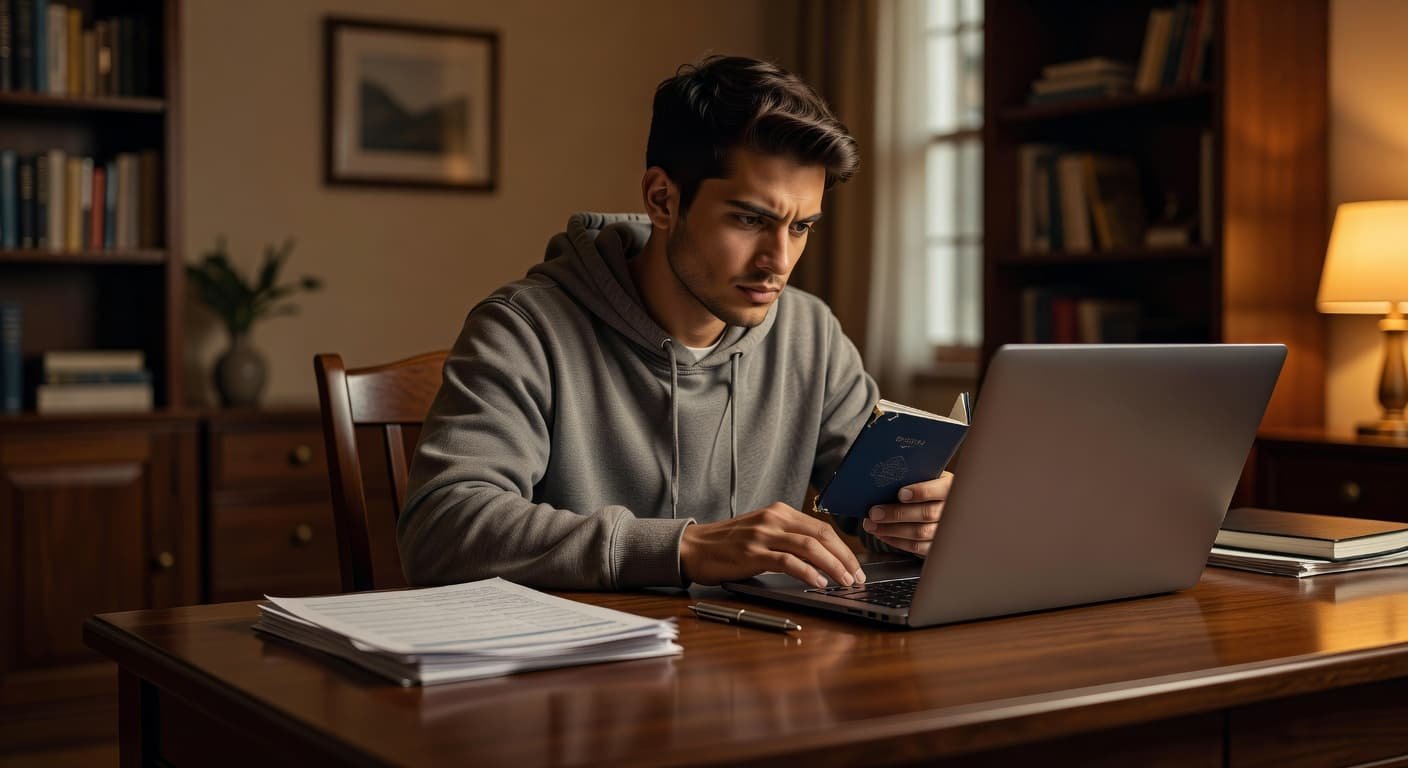
We should use the information from our school documents carefully. If the I-20 lists a name, SEVIS ID, or school address, we should copy it from the document, not from memory. If something looks different from our passport, stop and check with the school first.
If one detail is wrong in several places, the consular officer may ask about it later. A clean form is better than a fast form.
Fill the DS-160 step by step
The online form has many sections, but the order is simple. We move through them one by one, save often, and keep our answers short and clear.
If we want another walkthrough while we work, this step-by-step DS-160 guide for F-1 applicants can be a useful second reference.
- Start on the official application site
We choose the country where we will attend the interview. Then we start the form and write down the Application ID right away. - Enter personal details exactly as they appear in the passport
Names, date of birth, passport number, and passport issue dates should match the passport. If our passport uses two surnames or a middle name, we follow the passport format. - Add the travel information
This section asks why we are traveling, what visa class we want, and when we expect to arrive. If our flight is not booked yet, we use a realistic estimate instead of inventing a final itinerary. - Fill in the address and contact details in the United States
For students, this often means the school or the first place we plan to live. If our school gives a specific contact person, we use that person’s details. - List education and work history
We include current school, past schools, and jobs. Dates should be consistent with our records, even if the history is simple. - Answer the security and background questions carefully
These questions cover health, immigration history, arrests, visas, and related topics. We answer truthfully and do not guess. - Upload the photo, review everything, and submit
The photo must meet the visa rules. Before submission, we should scan the whole form one more time, because many mistakes are hard to fix after we click submit.
The form is long, but it is not complicated if we stay calm. The real trick is consistency. Every answer should tell the same story as our passport, I-20, and school records.
The fields that trip student applicants most
Some parts of the DS-160 are straightforward. Others catch people because the questions sound simple but need careful answers.
Travel plans
This section is not asking us to predict the future with perfect accuracy. It asks for the best information we have right now.
If we do not know the exact flight date, we can use a planned date. If the school year starts in August and we plan to arrive in July, that is fine. What we should not do is enter random dates or copy someone else’s itinerary.
The same idea applies to the length of stay. For student visas, the answer should match the program period as closely as possible. We should use the details on our I-20 and school documents, not a guess from an old forum post.
U.S. contact information
The form may ask for a person or organization in the United States. For many students, this is the school, the international office, or the contact named on the I-20.
If the form asks for a U.S. address, we can usually use the school address, housing address, or the first place we will stay. If we do not know our full address yet, we should follow the school’s guidance and the embassy instructions for our location.
This is one of those sections where school paperwork matters more than memory. We should copy names and addresses exactly.
Education and work history
This section is about our current studies, past schools, and any jobs we have had. It does not need to look impressive. It needs to be true.
If we are a recent graduate, we include the last school we attended. If we are working before our program starts, we list that job. If we have both school and work history, we give the dates as accurately as we can.
Small gaps are not the problem. Confusing dates are the problem. If we changed schools, repeated a grade, or took time off, we should enter the history plainly and consistently.
Security and background questions
These are the yes-or-no questions that make many applicants nervous. The best way to handle them is simple, read every question slowly and answer the one that was actually asked.
If a question applies to us, we answer yes and be ready to explain it later at the interview if needed. If it does not apply, we answer no. We should not try to interpret the question loosely or assume a safer answer.
Some applicants also need to list social media identifiers. That means the usernames or handles they use, not passwords. We should list the accounts that belong to us and keep the spelling exact.
Save, review, and bring the right papers to the interview
The DS-160 gives us room to pause and return later, which helps a lot when our documents are spread across a desk. Before we leave the page, we should save the application, write down the Application ID, and keep the security question answer somewhere safe.
When we come back, we use the retrieve option and continue from where we stopped. That works best if we keep all of our documents in the same place. A passport on one side of the room and a laptop on the other is how errors happen.
Before we submit, it helps to run through a short final check:
- Our passport number matches the passport exactly.
- Our name matches the passport spelling.
- The school name matches the I-20 or admission letter.
- The photo meets the visa rules.
- The travel dates make sense.
- The U.S. contact details are complete.
- The answers to the security questions are truthful and consistent.
After submission, we print the confirmation page and save a copy. We bring that page to the visa interview with the passport, the I-20, the SEVIS fee receipt, and any extra documents our embassy or consulate asks for.
If our history is a little messy
Not every applicant has a neat, straight-line history. Some of us have two passports, a new last name, a gap year, a previous U.S. visa refusal, or a school change halfway through.
That is fine, as long as we are honest and consistent. The DS-160 is not the place to hide a past visa refusal or guess our way through a name change. If our passport was renewed, we use the current passport details. If our name changed after marriage or for another legal reason, we follow the current passport and local instructions.
If we have been to the United States before, we should check old passports, visa stamps, and travel records before filling out the form. A small mismatch is easier to fix before the interview than in front of a consular officer.
When something does not fit neatly, we should slow down and check the official instructions for the embassy or consulate where we will interview. The details can vary by location, and the local site is the one that matters.
Conclusion
The DS-160 is mostly a test of care. We do not need fancy language or perfect English, we need accurate details, steady pacing, and the right documents beside us.
If we use our passport, I-20, school records, and official instructions as our guide, the form becomes much easier to handle. The biggest win is simple, we avoid the kind of small mistakes that slow a student visa case for no good reason.
When a field feels unclear, we stop and verify it before submitting. That habit saves time, and it keeps the interview focused on our study plans instead of preventable errors.
This post may contain affiliate links. If you make a purchase through these links, I may earn a small commission at no extra cost to you.

 Enu
Enu