 Enu
EnuYou probably hear people use the words passport and visa like they mean the same thing. When you are trying to plan a trip, that mix‑up can lead to stress, long calls with airlines, and sometimes a canceled vacation.
This guide walks you through the simple difference between a passport and a visa, why both matter for safe, legal travel, and how pvs international passport and visa services can make the paperwork much easier. You will see a side‑by‑side comparison, real examples, and quick answers to questions like, “Why do I need a visa if I already have a passport?”
If travel rules make you feel confused or overwhelmed, take a breath. You are about to get a calm, clear roadmap so you can protect your time, money, and peace of mind before you fly.
What Is the Difference Between a Passport and a Visa?
At the most basic level, a passport is about who you are.
A visa is about where you are allowed to go and for how long.
Think of a U.S. citizen flying to India:
- The U.S. passport proves the traveler is American.
- The Indian visa gives permission to enter and stay in India for a set time.
You usually need both for international trips.
Plain‑language definition of a passport
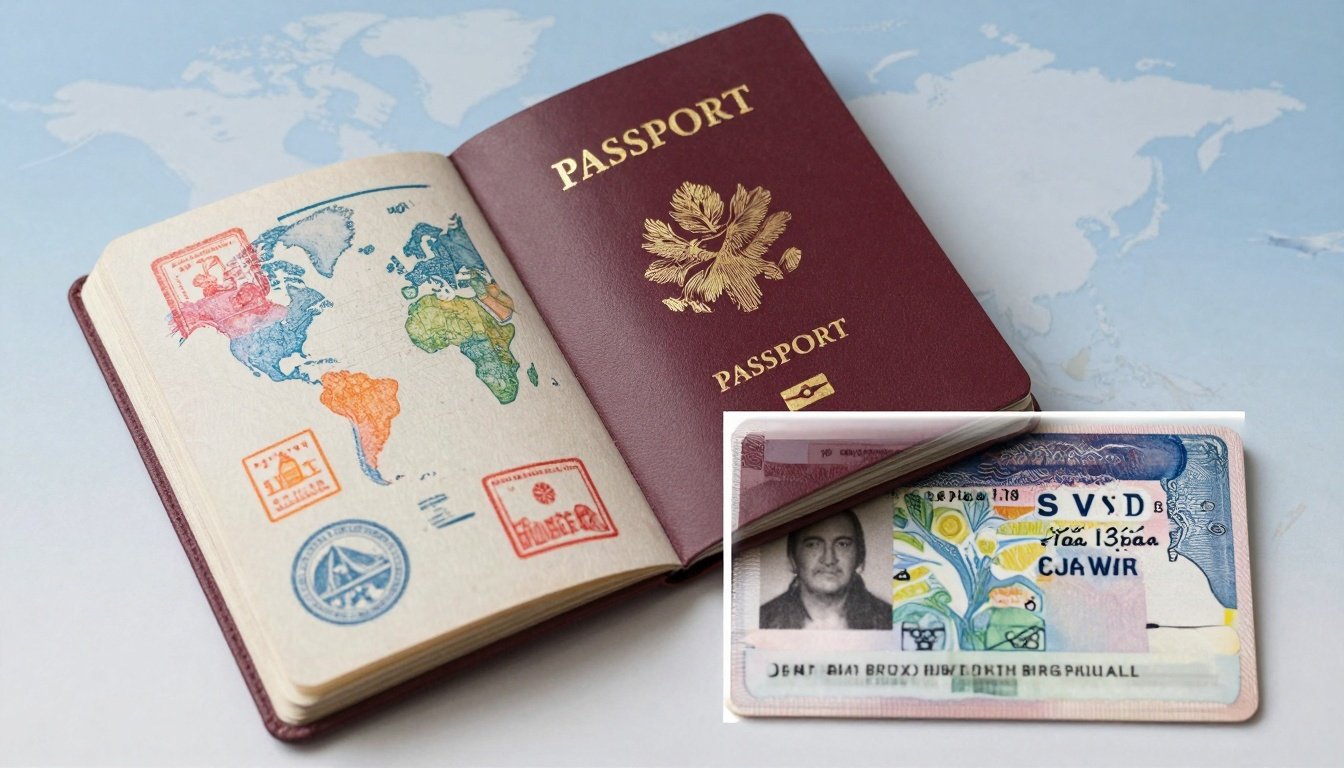
A passport is an official book or card that your own government gives you. It includes:
- Your photo
- Your full name
- Your date of birth
- Your nationality
- A unique passport number
You use it when you leave your country and when you come back home. Airlines scan it at check‑in, and border officers check it at airports, land borders, and sea ports.
There are different types, such as regular, official, and diplomatic passports. As a typical traveler, you use a regular passport. It is the one that goes in your bag every time you travel abroad.
In simple terms: your passport is your government saying, “This person is ours.”
Plain‑language definition of a visa
A visa is permission given by the country you want to visit. It can be:
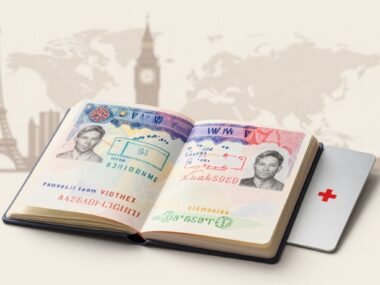
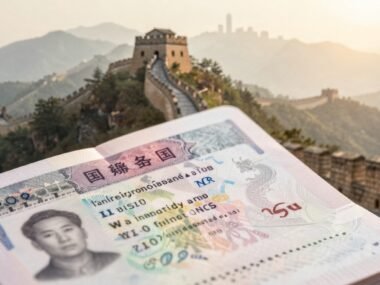
- A sticker in your passport
- A stamp added at a border
- An electronic approval linked to your passport number
A visa usually shows:
- Why you are visiting, like tourism, work, school, or family
- How long you can stay, such as 30 days or 90 days
- How many times you can enter, such as single‑entry or multiple‑entry
For example:
- A 30‑day tourist visa to India for a vacation
- A 2‑year student visa to study in Canada
- A short business visa for meetings in Brazil
Some visas go in your passport before you travel. Some are approved online. Others are given when you arrive at the airport. The rules depend on your citizenship and the country you are visiting.
In simple terms: your visa is the other country saying, “You can come in, but only on these terms.”
How passports and visas work together when you travel
Here is how the process usually looks, step by step:
- You get a valid passport from your home country.
- You decide where you want to travel.
- You check if that country needs a visa for someone with your passport.
- You apply for the visa, if needed.
- You travel with your passport, and your visa if required.
You can picture it like this:
- Your passport opens the door to international travel.
- Your visa is your ticket into a specific country for a specific purpose.
If your passport expires, has damage, or does not have enough validity left, you can be stopped from boarding. If you break visa rules, such as staying longer than allowed, you can face fines, be deported, or lose the chance to visit again.
Both documents matter. Taking them seriously protects your trip and your mental calm.
Why the Passport vs. Visa Difference Matters for Your Trip
This is not just paperwork. It affects real things in your life:
- Whether the airline lets you on the plane
- Whether border officers allow you to enter
- Whether you lose non‑refundable flights, tours, and hotel nights
- Whether your stress level spikes right before you travel
When you understand the visa vs passport difference, you plan better. You cut last‑minute panic, extra fees, and sleep‑stealing worry.
Many people type “why do I need a visa if I have a passport” into search bars the week before a big trip. That panic search can be avoided if you treat your passport and visa as two separate tools you check early in your planning.
For a wellness‑focused life, that matters. Less travel stress means better sleep, steadier blood pressure, and more energy for enjoying the actual trip.
Common travel mistakes people make with passports and visas
You avoid most problems by sidestepping a few common mistakes:
- Assuming a passport is enough everywhere: You reach the airline desk, they ask for a visa you never got, and you miss your flight.
- Ignoring the “6‑month validity” rule: Many countries need your passport to be valid 6 months past your return date. If not, you can be denied boarding.
- Not checking blank page rules: Some countries want one or two full blank pages. If your passport is full of stamps, you can be turned away.
- Waiting too long to apply for a visa: Some visas take weeks. If you apply late, you may need to move the trip or pay rush fees.
- Trusting old advice: Rules change. Advice from a trip you took 5 years ago can cost you money today.
Each of these mistakes can lead to lost tickets, lost vacation days, and a lot of stress hormones your body does not need.
Why some countries are visa free and others are not
Every country sets its own entry rules. Governments look at:
- Security
- Immigration control
- Health and public safety
- Political and economic ties with other countries
Some countries make agreements that allow visitors to travel visa free for short stays. For example, many U.S. citizens can visit parts of Europe for brief trips with only a passport.
“Visa free” does not mean you can skip your passport. It means your passport alone is enough for short visits, within strict limits on how long you can stay and what you can do.
Other destinations require a visa for almost every visit, even for tourism. The rules also change, which is why you always check before each trip.
How the wrong document can ruin your travel plans
Picture this:
You saved for a dream trip. You booked flights, tours, and a spa hotel. At the airport, the airline agent asks for a visa. You do not have it. They cannot check you in. Your flight leaves without you.
Or another case:
You arrive at a border after a long overnight flight. The officer sees that your passport expires in two months, but their rule needs six. You are put on a return flight. No beach, no family visit, no retreat. Just stress, tears, and a credit card bill.
These moments do more than hurt your wallet. They raise anxiety, disrupt sleep, and can even trigger physical symptoms if you are already run down. A few simple checks weeks earlier would have protected your trip and your health.
How PVS International Passport and Visa Services Helps You Avoid Problems
This is where pvs international passport and visa services comes in.
PVS International is a long‑standing private passport and visa expeditor based in the Washington, D.C. area, with offices in Arlington, Virginia. Their job is to help you work through complex forms and tight timelines so you are not trying to decode government instructions alone.
A courier or expeditor acts as a trained middle layer between you and agencies like the U.S. Department of State or foreign consulates. They check your documents, hand‑carry them when needed, and monitor progress so you have fewer surprises.
According to the State Department’s own guidance on using a passport courier company, these services can submit applications on your behalf in many cases. That support can be a real stress reliever when you are close to your travel date.
What PVS International actually does for you
In everyday terms, PVS International can help you with:
- New U.S. passport applications
- Passport renewals when your passport is expiring or full
- Second passports in special cases
- Name changes and corrections after marriage, divorce, or errors
- Tourist, business, and group visas for many countries
- Fast‑track processing when you are pressed for time
They act as a bridge between you and government offices. You send your forms to PVS, they review for common mistakes, submit to the right place, and track progress. You get clearer updates instead of guessing and re‑reading instructions at midnight.
For someone who cares about health and calm, that kind of support can keep your pre‑trip routine smoother, with more space for sleep, meals, and movement instead of paperwork.
When it makes sense to use a passport and visa service
You do not need a service for every trip. Many people are fine handling standard renewals far in advance. PVS International, or a similar service, helps most when:
- You have last‑minute business travel or a family emergency abroad
- The visa rules for your destination are complex or keep changing
- You are planning a group trip and want one point of contact
- You feel anxious managing forms and rules on your own
In those moments, a professional service protects your trip investment. It also helps you stay calmer. Instead of spending hours online, you can focus on packing well, adjusting your sleep schedule, and getting your body ready for a new time zone.
How to contact PVS International Passport and Visa Services
PVS International is based in the Washington, D.C. metro area, with an office at 1700 N Moore St, Suite 1503, Arlington, Virginia. They work with travelers from across the United States, not just locals who search for “passport and visa services near me.”
Some corporate clients connected with the former PVSglobal brand also see support listed through ItsEasy Corporate Services, which uses a central line at 866‑487‑3279. Always double‑check current contact details and processing times on the official site before you mail any original documents.
Side‑by‑side: Passport vs. Visa at a Glance
To make things even clearer, you can think in terms of a simple side‑by‑side chart. The idea is to compare:
- What each document is
- Who issues it
- How long it usually lasts
- When you need it
This kind of snapshot helps if you like to see information laid out visually or want something you can print and keep with your travel folder.
Downloadable passport and visa cheat sheet you can save
A handy one‑page cheat sheet could include:
- Short definitions of a passport and a visa
- A quick checklist before every trip:
- Is my passport valid long enough?
- Do I need a visa for this destination?
- Do I have enough blank pages?
- Key questions to ask before you book flights or tours
Keeping that file on your phone or in your travel binder cuts last‑minute panic. When your brain starts to worry, you can open one page, run through the checklist, and feel more grounded.
Infographic: “Passport & Visa Benefits at a Glance”
You can also picture an 800 x 2000 px infographic with two main columns:
- Left column labeled “Passport”
- Right column labeled “Visa”
Each column would use simple icons for:
- Identity (person icon for passport, entry gate icon for visa)
- Permission to enter
- Trip length and stay limits
- Cost ranges
- Typical processing times
If passport types appear, such as regular vs official, they can sit in a small tier box under the passport column.
The image alt text should describe the graphic in clear, plain language, such as “Two‑column chart comparing what a passport does and what a visa does for international travel.” That way, anyone using assistive tools still gets the full idea.
Quick FAQs About Passports, Visas, and Travel Services
These short answers cover the most common questions you might have while planning a trip.
Do you need a visa if you already have a passport?
Yes, in many cases you still need a visa even if you have a passport. They do different jobs.
Your passport proves your identity and citizenship. The visa, if required, gives permission from the country you want to enter.
Whether you need a visa depends on your passport and your destination. Always check official government sources, or ask a trusted service like PVS International, before you book non‑refundable tickets.
Can you travel with just a passport?
Sometimes you can, sometimes you cannot.
If the country you are visiting allows visa‑free entry for people with your passport, then you may travel with just a valid passport. For other countries, you must have both a passport and a visa before you board.
Before every trip, check two things:
- Passport rules: validity, blank pages, condition.
- Visa rules: do you need one, and how early should you apply.
How far ahead should you apply for a passport or visa?
Apply for a new or renewed passport several months before your trip whenever possible. Government processing times change based on demand and events, so you do not want to cut it close.
For visas, apply as soon as:
- You know your travel dates, and
- You know which type of visa you need.
If you are already close to your travel date, or processing times look long, a service like PVS International can often help you speed things up or see realistic options.
What if your passport or visa is denied or delayed?
If your passport or visa is denied, you usually get a written reason. Common issues include missing documents, blurry photos, or past overstays. You may be able to fix the problem and apply again.
If your application is delayed, you might:
- Pay for faster processing, if available
- Move your trip dates
- Ask an expeditor to help you sort out next steps
Stay calm, keep every letter and email, and read them slowly. Once you understand the exact problem, you can decide whether to reapply, change plans, or get professional help.
Conclusion
When you understand the simple difference between a passport and a visa, you protect your peace of mind as much as your trip. Your passport proves who you are, and your visa (when needed) gives you permission to enter and stay in a country for a set time.
Use the ideas in this guide, plus the cheat sheet and infographic concept, to double‑check your own documents before you book. If you feel unsure, or your timing is tight, services like pvs international passport and visa services can step in so you are not carrying the paperwork stress alone.
Well‑planned travel supports better sleep, calmer nerves, and richer experiences. With the right documents in hand and the right help when you need it, you can focus on what matters most: enjoying your trip and coming home feeling better than when you left.

 Enu
Enu