 Enu
EnuImagine earning a degree that plugs you straight into a job market hungry for hands-on skills. That’s the promise of Austrian universities of applied sciences, known as Fachhochschulen or FHs. These schools skip heavy theory for real-world training, internships, and projects that match employer needs. With 21 public FHs across Austria, they offer bachelor’s and master’s programs in engineering, business, health, and more, often in English for international students.
Low tuition keeps costs down, while strong job placement rates open doors fast. This guide breaks it down: what sets FHs apart, top picks for 2026, hot programs, entry rules, fees, scholarships, application steps, pros and cons, student stories, and FAQs. Whether you’re from the EU or farther afield, FHs deliver quick career starts without breaking the bank. Platforms like FHguide.at make finding fits easy, much like how consultants streamline apps and visas for stress-free study abroad.
What Are Austrian Universities of Applied Sciences?
Austrian universities of applied sciences, or FHs, train students for specific jobs through practice over lectures. Unlike traditional universities focused on research and broad knowledge, FHs partner with companies for internships and projects. This setup boosts employability right after graduation.
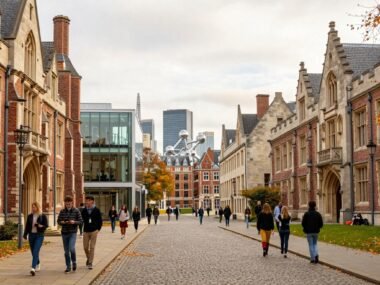
Austria has 21 public FHs spread nationwide, from Vienna to the Alps. They shine in tech, business, and health fields. Programs run shorter: bachelor’s in three years (180 ECTS credits), master’s in one to two. Many include mandatory work placements, so you build a network before your diploma.
Student satisfaction runs high, with ratings often above 4/5 on sites like FH Upper Austria rankings. Graduates land roles fast, thanks to applied research ties.
Key Features That Set FHs Apart
- Short, focused degrees: Bachelor’s wrap in three years; master’s add one or two, packed with practical modules.
- English-taught options: Ideal for internationals, especially in business and engineering.
- Industry links: Built-in internships and projects with firms like Siemens or local startups.
- Small classes: Personal attention from profs with real job experience.
- Modern facilities: Labs, sims, and campuses in scenic spots.
Top Austrian Universities of Applied Sciences for 2026
Pick an FH based on location, programs, and ratings. FH Burgenland scores 4.6/5 for energy and viticulture. Carinthia matches at 4.6, strong in IT and tourism. Kufstein Tirol hits 4.4 with business logistics.
Salzburg earns 4.3 for health and media. Upper Austria leads with over 75 programs and top CHE rankings in engineering. Vorarlberg excels in design; IMC Krems boasts 99% job rates in business and health. Check studyinaustria.at for institutions to compare.
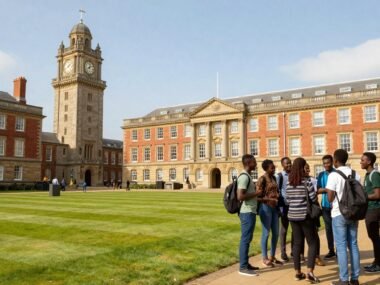
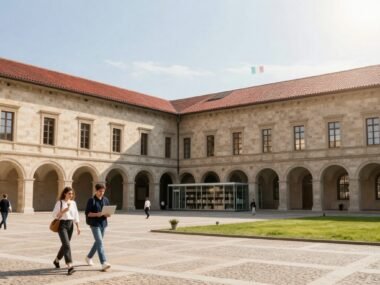
These schools offer modern campuses and research hubs. High satisfaction stems from job prep and locations blending city buzz with nature.
Why Choose Upper Austria or IMC Krems?
University of Applied Sciences Upper Austria tops for AI and mechanical engineering, with consistent CHE wins. Expect labs and company projects.
IMC Krems focuses on international business, tourism, and medical tech. Its 99% placement rate draws globals, plus English programs and Danube views.
Hidden Gems Like Vorarlberg FH
FH Vorarlberg stands out for teaching quality in business and industrial design. Nestled in the Alps, it blends innovation with outdoor perks, perfect for creative fields.
Popular Programs at Austrian FHs
Engineering draws crowds with mechanical, civil, and AI tracks at Upper Austria or Carinthia. Business programs at Kufstein or IMC Krems cover logistics, tourism, and management.
IT options include software engineering and data science. Health fields like nursing or physiotherapy thrive at Salzburg. Design at Vorarlberg mixes creativity with tech.
All emphasize internships, so you test skills on real jobs. This preps you for roles in Austria’s booming sectors.
Admission Requirements for International Students
Start with a high school diploma for bachelor’s or bachelor’s equivalent for master’s. Non-EU folks need it recognized via ENIC-NARIC.
English tests like IELTS (6.0+) or TOEFL work for English programs; German for others. Some FHs add entrance exams or interviews. Work experience counts for master’s.
EU/EEA students apply direct; non-EU face quotas and visas. Show funds (€12,000+/year) and health insurance. Consultants help match docs like SOPs and transcripts, boosting acceptances.
Check each FH site, as rules vary.
Tuition Fees and Scholarships in 2026
Public FHs charge low: EU/EEA pay ~€20/semester tuition plus €363 union fee. Non-EU add €363-727/semester at publics; privates cost more.
Yearly total for non-EU: around €1,500 including fees. Living runs €10,000-12,000.
Scholarships include OeAD grants, FH merit awards, and Erasmus+ for exchanges. Carinthia offers incoming support; see CUAS scholarships. Apply early via FH sites.
Step-by-Step Guide to Apply to Austrian FHs
- Research on FHguide.at: Match programs to goals.
- Verify requirements: Diploma, language scores, any tests.
- Gather docs: Transcripts, CV, SOP, passport copy.
- Submit online: Via FH portal or direct; deadlines March-July for fall.
- Prep interview: Common for competitive spots.
- Handle visa: Non-EU apply post-acceptance with funds proof.
Mini-checklist:
- Language cert ready.
- Finances documented.
- Motivation letter tailored.
Services like StudyIn guide apps, visas, and even accommodation for smooth starts.
Pros and Cons of Studying at Austrian FHs
FHs pack value, but weigh both sides.
| Aspect | Pros | Cons |
|---|---|---|
| Training | Hands-on with internships | Less research focus |
| Cost | Affordable fees | Competitive entry tests |
| Jobs | 95%+ placement rates | Fewer PhD paths |
| Language | English programs available | German helps for daily life |
| Location | Scenic, safe campuses | Smaller cities limit nightlife |
Real Student Experiences in Austria
Students rave about easy apps and quick offers. One landed at a top FH after consultant tweaks to SOP and recs. “They handled visas and housing; I settled fast,” shared a business major.
Another praised upper-year chats: “Made friends, nailed the course.” Teams assist from program picks to arrival, turning overwhelm into wins. High satisfaction mirrors UK/Ireland tales, with scholarships and stress-free paths.
FAQs About Austrian Universities of Applied Sciences
How do FHs differ from traditional unis? FHs stress practice and jobs; unis lean theory and research.
Fees for internationals? Non-EU: €363-727/semester plus union fee; EU lower.
English programs? Yes, many in business, engineering, IT.
Job rates? Often 95-99%, thanks to internships.
Deadlines? March-July for fall; check FH sites.
Scholarships? OeAD, FH awards, Erasmus+; merit-based.
Visa tips? Prove funds, acceptance; use consultants for docs.
Conclusion
Austrian universities of applied sciences offer practical degrees, low costs, and fast careers via top FHs like Upper Austria and IMC Krems. From engineering to business, they equip you for Europe’s job scene.
Research programs now, grab scholarships, and book a consult with experts like StudyIn or QS. Start your 2026 app today; your future waits in the Alps.


 Enu
Enu