 Enu
EnuPicture this: You’ve nailed your itinerary, gathered your docs, and booked that interview slot. Then, one glance at your visa bank statement sinks it all. It happens too often. Visa officers reject thousands yearly over shaky financial proof.
This guide breaks down the rules for popular visas like US, UK, Schengen, Canada, and Australia. You’ll learn exactly what officers scan for, red flags that trigger denials, and steps to build airtight statements. Backed by official guidelines and real applicant stories, it’s your roadmap to approval. Always double-check embassy sites for your case.
Why Bank Statements Make or Break Visa Decisions
Visa officers use bank statements to gauge if you’ll fund your trip without working illegally or becoming a burden. They want proof of steady funds tied to your life back home. A weak one screams risk; a solid one builds trust.
For tourist, student, or work visas, statements show you can cover flights, hotels, food, and more. Think of it as your financial story in numbers. Recent data shows funds issues cause 20-30% of rejections across major countries.
Services like VFS Global handle submissions for many embassies. They stress original, stamped docs. Student applicants from firms like StudyIn often share how consistent balances sealed their UK or Canada approvals.
Core Rules for Visa Bank Statements Across Countries
Each country sets its own bar, but patterns hold. Statements cover 3-6 months, stamped by your bank, in English or translated.
Here’s the 2026 breakdown:
- US Visas (B1/B2 Tourist, F1 Student): Submit 6 months of statements. Show $30,000-$60,000 yearly for students, plus living costs. Sponsors need their statements and affidavits. See the full US Visa Bank Statement guide.
- UK Visitor Visa: 3-6 months proving trip coverage. Focus on regular income. The UK gov guide lists ties to home. Applicants praise quick processing via experts.
- Schengen Area: Last 3 months, minimum €50-60/day per person. Steady salary deposits help. Check Schengen proof of funds for updates.
- Canada Visitor/Study: 3-6 months, CAD 10,000+ buffer for singles. Explain large deposits.
- Australia Tourist: 3 months covering insurance and stay. Sponsors file affidavits.
Use savings or current accounts. Fixed deposits work with withdrawal notes.
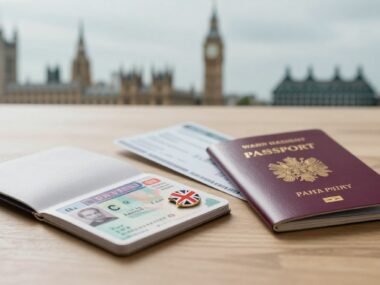
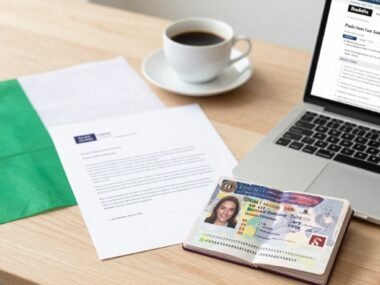
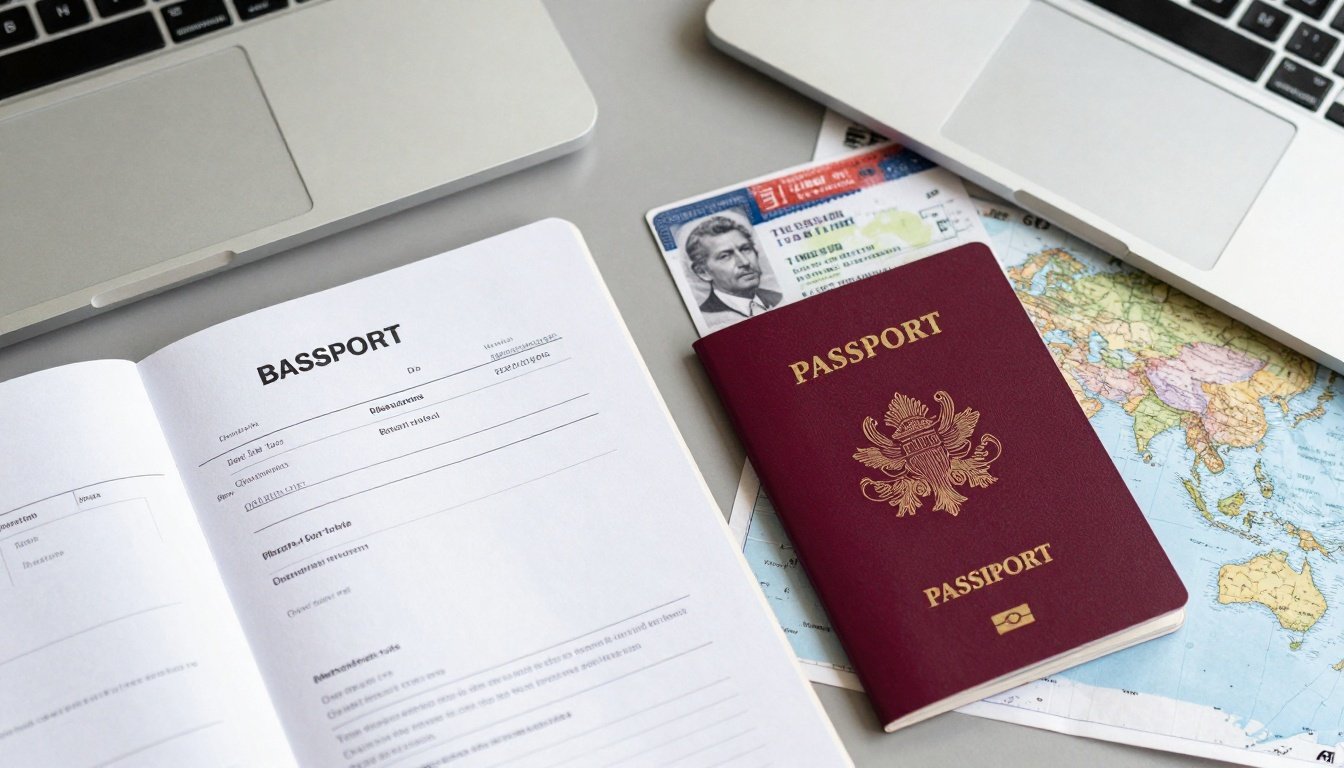
Image suggestion: A close-up of a stamped bank statement next to a passport and visa form, highlighting balance and transaction history.
What Visa Officers Scrutinize in Your Statement
Officers spend seconds per file. They hunt patterns, not just totals.
They check:
- Your name and account match application exactly.
- Current balance exceeds trip costs by 20-50% buffer.
- Transaction history: Regular salary, bills paid. No wild swings.
- Recent issue date (last 30 days ideal).
- Bank legitimacy: Official stamp, logo, contact info.
Big deposits? Explain with loan papers or gift deeds. One student got her UK visa after noting family support matched her StudyIn counselor’s advice. Officers tie funds to your job, property, family back home.
Unexplained cash looks borrowed for show. Tools like VisaHQ’s checker flag risks early.
Red Flags That Trigger Instant Rejections
Certain patterns doom apps. Avoid them.
Common fails:
- Sudden huge deposits without source docs (e.g., “loan from uncle” needs proof).
- Bare minimum balance, no cushion.
- Old or unstamped statements.
- Dormant accounts revived last minute.
- Mismatched names or fake watermarks.
US denials often cite INA 214(b): presumed immigrant intent if funds seem temporary. UK cases flag inconsistent activity.
A medical student shared: Her sudden balance spike failed first try. Adding 6-month history fixed it.
Steps to Prepare a Bulletproof Visa Bank Statement
Build yours right from the start.
- Request 6 months from your bank, stamped and signed.
- Translate if needed, notarize.
- Calculate needs: Trip cost x 1.5, add living expenses.
- Attach cover letter explaining balances.
- Include salary slips, tax returns.
- For studies, add tuition receipts.
Before submitting:
- Scan for errors.
- Verify dates align.
- Get sponsor affidavit if used.
Platforms like ApplyBoard streamline student apps with fund proofs.
Real Stories: Wins and Losses from Applicants
Rashmi from India aced UCL with transparent balances via her consultant. “100% transparency,” she said. Another, Ishwar, landed Lancaster aid after team guidance on visas.
Losses? Sudden funds without ties. One applicant retold: Fake-looking deposits cost her Schengen trip.
VFS centers process millions yearly, spotting fakes fast.
Pro Tips to Strengthen Your Financial Proof
Boost odds with these:
- Maintain steady deposits months ahead.
- Use multiple accounts if needed.
- Add property deeds, job letter.
- Avoid withdrawals near statement date.
- Opt for e-statements if embassy accepts.
- Consult agents early; StudyIn helped turn rejections to offers.
For students, pair with CAS letters.
FAQs on Visa Bank Statements
How recent must statements be? Last 30 days to 6 months.
Can I use sponsor funds? Yes, with their full docs.
What if balance dips? Explain in letter.
Loans okay? With bank letter.
Schengen minimum? See Atlys guide.
Wrap-Up: Secure Your Visa with Smart Funds Proof
Master visa bank statement rules, and you’re ahead. Officers seek stability, not flash. Prep early, explain everything, tie to home.
Check your embassy now. Book VFS or a counselor. Your trip awaits; don’t let funds fail it. Share your story below. Safe travels.
(Word count: 982)

 Enu
Enu