 Enu
EnuPicture this: golden beaches, ancient ruins, and top-notch universities under endless blue skies. You want to study abroad, but safety tops your list. Is Malta safe for students? Yes, it stands out as one of Europe’s safest spots for international learners in 2026.
This guide breaks it down with fresh stats, real student tips, and practical steps. You’ll get clear answers on crime, health, transport, and more. Always check official sites for the latest visa or policy updates.
Quick Answer (Read This First)
- Malta ranks as a safest country in Europe with falling crime rates, down to 30 cases per 1,000 people.
- Violent crime stays rare; focus on petty theft like pickpocketing in tourist spots.
- U.S. State Department rates it Level 1: normal precautions, ideal for students.
- Public buses and campuses feel secure, backed by CCTV and staff support.
- Health care meets EU standards with 24/7 emergencies via 112.
- Students report friendly locals and relaxed vibes, perfect for solo travelers.
- Nightlife areas need caution, but group travel keeps risks low.
- Overall, expect a worry-free stay with basic smarts.
What Is Malta and What Does It Do?
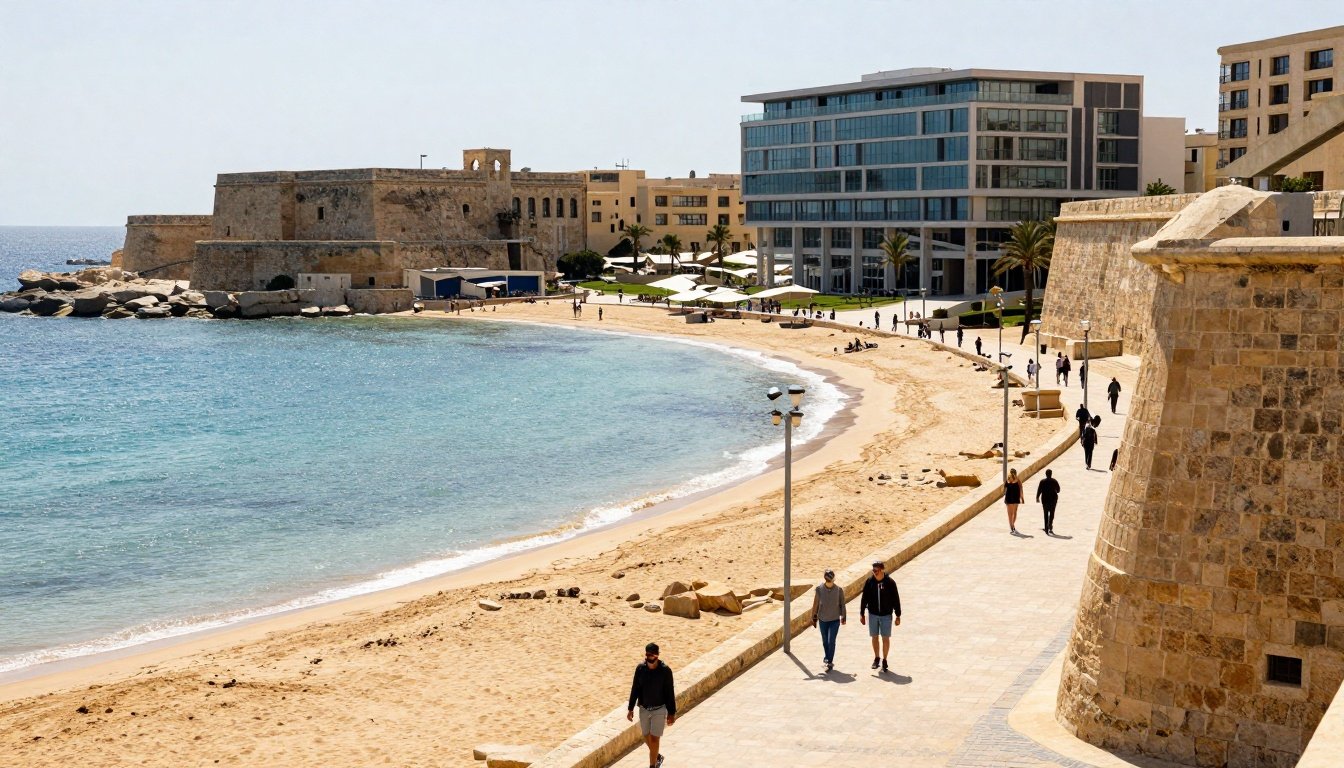
Malta sits in the Mediterranean, a tiny archipelago drawing students for English courses, medicine, and business degrees. Over 40 institutions welcome internationals, blending history with modern campuses.
It offers EU perks like regulated visas and bilingual locals (English everywhere). Universities like the University of Malta host thousands safely each year. Programs mix academics with island life, from beach study breaks to cultural dives.
For students, Malta delivers quality education minus big-city stress. Schools provide secure housing and orientation on local safety. Expats praise its welcoming feel, making it a smart pick for 2026 studies.
Key Features of Is Malta Safe for Students
- Low crime stats: Only 7.4% report issues like vandalism, per Eurostat 2023 data.
- Campus security: CCTV, locked buildings, and 24/7 staff at major schools.
- EU health system: Modern hospitals; students need insurance for long stays.
- Safe transport: Buses run reliably; watch pockets in crowds.
- Friendly community: Locals help foreigners; low stranger violence.
- Visa ease: Clear processes via VFS Global for Malta visas, with student support.
- Nightlife balance: Fun spots like St. Julian’s, but standard bar caution applies.
Step-by-Step: How to Ensure Safety Studying in Malta
- Research your program; pick schools with strong safety records like those in GBS tips for students.
- Apply for visa early; include health insurance covering emergencies.
- Book secure housing near campus with locks and lighting.
- Arrive and attend orientation; learn emergency contacts and campus rules.
- Get a local SIM; save 112 and school helplines.
Before you go checklist:
- Pack a money belt for valuables.
- Download safety apps for location sharing.
- Review UK gov advice on Malta safety.
- Buy travel insurance beyond visa minimums.
- Join student Facebook groups for real tips.
Pricing, Fees, and What “Safe Studying” Really Costs
Studying safely in Malta runs affordable. Tuition starts at €5,000/year for undergrads, €10,000 for postgrad. Add €300-500/month rent in shared spots.
Safety extras: €100-200/year insurance, €50 transport card. Visa fees hit €100; no big surprises. Total first-year: €12,000-18,000, less than UK peers.
Example: English course student pays €3,000 tuition + €4,000 living + €150 insurance = €7,150. Skip it? Risk fines or gaps.
Pros and Cons
| Pros | Cons |
|---|---|
| Top safety ranking in Europe | Petty theft in tourist zones |
| English-speaking, EU perks | Busy roads need caution |
| Cheap living vs. other EU | Crowded buses at peak times |
| Friendly locals, great weather | Nightlife noise in party areas |
| Strong student support | Limited rural transport |
| Modern health facilities | Hot summers strain AC needs |
Common Mistakes (and How to Avoid Them)
- Leaving bags unattended on beaches: Use lockers always.
- Ignoring pickpockets in Valletta: Keep hands on valuables.
- Solo walks in dark alleys: Stick to groups post-10pm.
- Skipping insurance: Buy comprehensive coverage upfront.
- Flashy jewelry in clubs: Opt for simple looks.
- Over-relying on taxis: Use licensed apps like Bolt.
- No emergency plan: Share itinerary with family/school.
- Partying without limits: Pace drinks, watch belongings.
- Forgetting sun protection: Carry hats in 30C heat.
- Delaying visa docs: Start 3 months early.
Is Malta Safe for Students Legit and Secure?
Malta earns its safe rep with real stats, not hype. Crime dropped over 20 years; violent acts against students prove rare. Schools back this with secure setups.
Check school reviews on sites like GoAbroad for student stories. Verify visas via official channels. Refunds or support? EU rules protect; contact providers directly.
Tips to Maximize Safety and Savings
- Walk with friends after dark in St. Julian’s.
- Use campus shuttles over late buses.
- Lock phones in pouches on ferries.
- Join safety workshops at uni.
- Budget for safe taxis: €10-15/night.
- Eat local for cheap, healthy fuel.
- Network via apps like Internships Abroad HQ.
- Track spending with apps to avoid stress.
- Visit quieter Gozo for breaks.
- Prep for earthquakes (rare, but know drills).
- Build local ties for insider advice.
- Renew insurance before expiry.
FAQs
Is Malta safe for solo female students?
Yes, with normal precautions; many report feeling secure.
What’s the biggest safety risk?
Petty theft; keep items close.
Do I need health insurance?
Required for visas; get full coverage.
How safe are buses?
Reliable, but crowded; hold bags tight.
Nightlife dangers?
Drink spiking rare; stay vigilant.
Campus crime rates?
Very low; security on site.
Visa safety process?
Streamlined via embassies; use trusted agents like StudyIn.
Emergency response time?
Fast via 112; English spoken.
Compared to Spain or Italy?
Safer overall, lower violence.
Student housing risks?
Minimal; choose vetted options.
Conclusion
Malta shines as a safe haven for students in 2026, blending low risks with high rewards. Low crime, solid health, and student-focused support make it a winner.
Ready to apply? Chat with counselors, pack smart, and dive in. Your secure adventure awaits; what’s holding you back?

 Enu
Enu