 Enu
EnuTourist visa Poland rules can feel confusing because Poland follows Schengen short-stay rules, but the application is handled by specific Polish consulates or visa centers. This guide breaks down what the visa is, who needs it, what documents matter most, and how paid application help like VisaHQ fits in.
Always confirm prices and policies on the official site.
Quick Answer (Read This First)
Item 1 of 11.
- Tourist visa Poland usually means a Schengen Type C visa for visits up to 90 days in any 180-day period.
- If you’re visa-exempt (for example, US, UK, Canada, Australia), you typically don’t apply for a visa for short stays, but you still must follow the 90/180 rule.
- Core documents usually include a valid passport, application form, photo, travel insurance (minimum medical cover), proof of funds, and accommodation proof.
- As of January 2026, the standard Schengen visa fee is reported as €90, confirm at the consulate before paying.
- You apply through the Polish consulate or an authorized visa center for your country of residence, then attend an appointment for biometrics.
- Many refusals come from weak financial proof, unclear purpose, inconsistent dates, or missing insurance details.
- If you use a visa service, treat it as support, not as a guarantee of approval.
What Is VisaHQ and What Does It Do?
Item 2 of 11.
VisaHQ is a paid visa application support service that helps travelers prepare and submit visa applications, including Poland’s Schengen visa route. It’s not a government office, and it doesn’t replace the decision made by a Polish consulate.
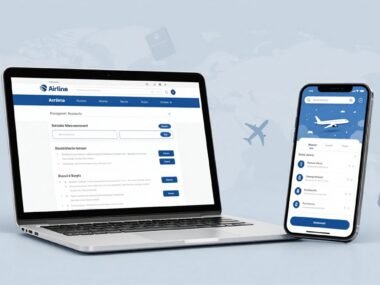
What it does well is reduce avoidable errors. Their process is built around an online application flow, document guidance, and checks that aim to catch mistakes before submission.
VisaHQ also positions its service around convenience, including support channels like a dedicated call center and live chat. The main promise is less confusion and more clarity, with transparent pricing and no hidden fees.
For official visa types and definitions, use Polish government sources like Poland visa types overview.
Key Features of Tourist Visa Poland
Item 3 of 11.
- It’s typically a Schengen short-stay visa (Type C) for tourism, allowing stays up to 90 days in a 180-day window.
- It can be issued as single-entry or multiple-entry, depending on your travel history and request.
- It requires in-person submission in most cases, including biometrics (fingerprints and a photo).
- It usually requires travel medical insurance valid across Schengen, with coverage meeting Schengen minimums.
- It needs proof of accommodation (hotel booking) or an invitation letter if staying with someone.
- It requires proof you can fund the trip and return home, often through recent bank statements and employment or study ties.
Step-by-Step: How to Use VisaHQ
Item 4 of 11.
- Select the Poland visa option that matches your purpose (tourism, visiting friends, business), then confirm you’re applying for the Schengen Type C route.
- Complete the online application steps on VisaHQ and enter your dates, passport details, and travel plan carefully.
- Review the document list VisaHQ provides and match it to the requirements used by your Polish consulate or visa center.
- Prepare your paperwork and scans, then use any offered pre-check or review step to catch errors early.
- Submit or arrange document delivery based on the service level you choose (some services rely on mailing documents rather than waiting in lines).
- Attend your in-person appointment for biometrics if required by the consulate or visa center handling Poland applications in your country.
- Track updates from the service and from the official processing channel used in your region.
- Receive your passport back and confirm the visa sticker details before you travel.
Before you pay:
- Confirm the official visa fee and the service fee are separate costs.
- Check what the service includes (form review, document checks, appointment support) and what it doesn’t (approval influence).
- Confirm refund terms for service fees if you cancel.
- Double-check your travel dates, since date changes can trigger rework and extra fees.
Pricing, Fees, and What “Cheap” Really Means
Item 5 of 11.
Tourist visa Poland cost is rarely just one number. Your total cost usually has three layers: the official consular fee, any visa center handling fee (if a third-party center processes intake), and optional support costs if you use a service.
Based on current information, the Schengen Type C visa fee is reported as €90 as of January 2026, but you should confirm on the consulate or visa center site before you pay. Services like VisaHQ add their own fees for support, checks, and handling, and those fees vary by location and speed.
“Cheap” often means the lowest service tier, not the lowest total cost. If you pick the cheapest option but later need changes, courier returns, extra prints, or re-submission, the final cost can rise fast. Booking fees can also show up if you’re paying for optional appointment add-ons in some markets.
Example total (example only):
- Official visa fee: €90
- Visa center fee (example): €30
- Optional VisaHQ service fee (example): €60
- Total example: €180 (plus insurance and document costs)
Pros and Cons
Item 6 of 11.
| Factor | Pros | Cons |
|---|---|---|
| Form and document help | Fewer avoidable mistakes | Doesn’t remove the need for real documents |
| Support access | Call center and live chat can reduce stress | Response speed can vary by peak season |
| Transparency | Some services emphasize clear pricing | You still need to compare what’s included |
| Convenience | Less back-and-forth, fewer missed steps | Added cost on top of official fees |
| Outcome control | Helps you submit a cleaner file | No service can guarantee approval |
Common Mistakes (and How to Avoid Them)
Item 7 of 11.
- Missing signatures on printed forms, fix by signing every required spot before your appointment.
- Mismatched dates between flights, hotels, and leave letters, fix by making one master itinerary and aligning every document.
- Insurance that doesn’t clearly meet Schengen coverage rules, fix by getting a policy that states coverage amount and Schengen validity.
- Bank statements that don’t show stable funds, fix by submitting consistent statements and explaining large deposits with proof.
- Weak “reason to return” proof, fix by adding employer letters, enrollment letters, property ties, or family ties where relevant.
- Overbooking non-refundable travel, fix by using reservations you can cancel if your plan is flexible.
- Ignoring the 90/180 rule, fix by counting your Schengen days before you apply and before you travel.
- Incomplete accommodation proof, fix by adding full address, dates, and named guests on bookings or invitations.
Is Tourist Visa Poland Legit and Safe?
Item 8 of 11.
Tourist visa Poland as a product is legitimate because it’s a real Schengen visa category issued by Polish authorities. The “legit and safe” question usually comes up when people use third-party help, so the key is separating the official visa decision from the paid support service.
If you use a service like VisaHQ, safety comes down to basics: privacy practices, secure document handling, and clear support channels. Their messaging focuses on accuracy checks, privacy, and transparent pricing, which is exactly what you should demand from any company handling sensitive documents.
Before you trust any provider, check who issues the final decision (always the consulate), what support channel you can reach (phone, email, live chat), and what the refund and cancellation rules are. For broader entry rule changes affecting visa-exempt travelers, see EU explanation of ETIAS.
Tips to Get Better Deals
Item 9 of 11.
- Apply early enough to avoid paid rush handling and last-minute courier upgrades.
- Compare total costs, including booking fees, courier returns, photos, and printing.
- Choose service tiers based on your risk, first-time applicants often benefit from document review.
- Keep your travel plan stable, date changes can cause paid edits and re-appointments.
- Buy compliant insurance once, replacing it later can waste money.
- Use refundable hotel bookings when possible, so you don’t lose money if you reschedule.
- Avoid “cheap tickets” that can’t be changed, a forced change can cost more than the savings.
- If you’ll visit multiple Schengen countries, apply to the country that’s the main destination, it reduces confusion and risk.
- Don’t pay for extras you won’t use (premium lounges, SMS alerts) unless they solve a real problem.
- Keep digital copies of everything, missing documents often cause expensive last-minute fixes.
FAQs
Item 10 of 11.
Is tourist visa Poland the same as a Schengen visa?
In most cases, yes. For tourism, it’s usually a Schengen Type C short-stay visa that covers Poland and the wider Schengen Area under the same stay limits.
How long can I stay on a tourist visa Poland?
A short-stay Schengen visa is generally limited to 90 days in any 180-day period across the Schengen Area.
Do I need an interview?
Many applicants only attend an appointment for submission and biometrics, but consulates can request an interview if they need clarity.
What documents matter most for approval?
Clear purpose of trip, proof of funds, proof of accommodation, valid insurance, and strong ties to your home country tend to carry the most weight.
Can a visa service guarantee approval?
No. A service can help reduce errors and organize documents, but only the consulate decides.
What happens if I need to cancel my trip?
You may be able to cancel hotels or flights depending on your fare type, but the visa fee is usually not refundable. Service refunds depend on the provider’s policy.
Is it better to apply direct or use an agency?
Direct is often cheaper. A paid service can be worth it if you’re short on time, applying for the first time, or worried about document errors.
Do visa-exempt travelers need ETIAS for Poland?
Rules are changing. If ETIAS applies to your nationality and travel date, you’ll need approval before departure, even without a visa.
Conclusion
Item 11 of 11.
Tourist visa Poland applications go smoother when you treat it like a file-building task, not a form-filling task. Strong documents, consistent dates, correct insurance, and clear proof of funds usually matter more than anything else.
If you want extra support, a service like VisaHQ can help with checks, organization, and customer service, but it can’t replace official rules or guarantee approval. Confirm requirements on official sources, build a clean application pack, then submit early enough to avoid avoidable costs and stress.

 Enu
Enu