 Enu
EnuYou live near Los Angeles, New York City, Phoenix, or another big city. Your trip is coming up fast. Your brain is buzzing with questions, and the words passport, visa, and “expedited service” all blur together.
That stress hits your body too. Tight shoulders, shallow breathing, poor sleep. When paperwork feels out of control, your nervous system feels it.
This is where passport and visa services help you. They turn confusing rules into clear steps so you can move from panic to a calm plan. With the right support near you, you save time, money, and a lot of mental energy.
In this guide you’ll see, in plain language:
- The real difference between a passport and a visa
- How passport and visa services work and when to use them
- How to pick safe, legit services near Los Angeles and other big cities
- A simple checklist you can turn into an infographic or save on your phone
When you get this sorted early, you protect your mood, your schedule, and your health, so you can focus on enjoying the trip, not fighting the forms.
Passport vs. Visa: What You Really Need for International Travel
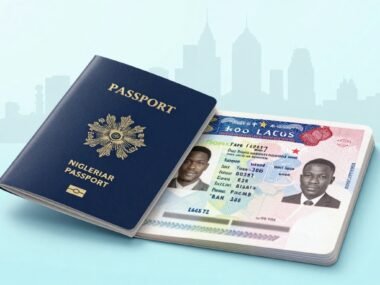
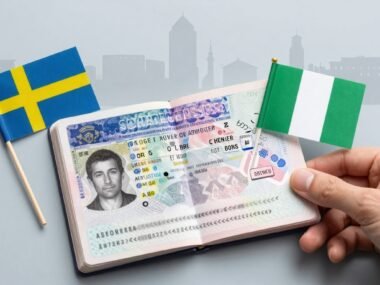
A passport is your travel ID from your own country. A visa is permission from the country you want to visit.
You often need both. Your passport gets you on the plane and back home. The visa says what you can do in the country you visit and how long you can stay. A short trip to Mexico, a semester in Europe, or a work trip to India may all have different rules.
If you want a deeper official view, you can skim the State Department’s U.S. passports overview and compare it with a traveler-focused guide like the Boundless explanation of passport vs. visa.
What a Passport Is and Why You Almost Always Need One
Your passport is a small booklet from your home government. For U.S. citizens, it is issued by the Department of State. It shows your photo, full name, date of birth, passport number, and expiration date. It usually lasts 10 years for adults and 5 years for children.
New “next‑generation” U.S. passports use a polycarbonate data page, laser engraving, and a stronger chip to protect your data. Many adults can now renew online instead of visiting a post office.
As of late 2025, routine U.S. processing is about 4–6 weeks, and expedited service is about 2–3 weeks plus an extra fee. You can confirm current times on the official processing times page.
In simple terms, your passport is your main ID for global travel. It is also your ticket home. No valid passport, no flight back.
What a Visa Is and When You Actually Need One
A visa is permission from the country you plan to enter. It can be:
- A sticker in your passport
- A stamp at the border
- An electronic record linked to your passport number
Embassies or consulates issue visas. Common types include tourist, business, student, work, and transit visas.
You do not always need a visa. For example:
- A short vacation to many European countries may need only a valid passport.
- A quick work trip to China or India usually needs a business visa.
- Study abroad almost always needs a student visa.
Rules change often. Always check the official immigration or embassy site of the country you want to visit, or confirm with trusted passport and visa services before you book flights.
Simple Comparison: Difference Between Visa and Passport in One Look
Picture this “mini table” in your mind:
- Who issues it: Your passport comes from your own country; your visa comes from the country you visit.
- Purpose: Passport proves who you are and your citizenship; visa shows what you are allowed to do and how long you can stay.
- How long it lasts: Passport usually lasts 5–10 years; visas can last days, months, or a few years.
- When you need it: You almost always need a passport for international flights; you need a visa only if that country’s rules say so.
If you remember one line, use this: passport = identity, visa = permission. That simple idea will guide which passport and visa services you choose.
How Passport and Visa Services Work (And When You Should Use Them)
Passport and visa services act as guides and couriers. They help you with forms, photos, and documents, then submit everything to the right government office. Some can also speed up timing within official rules.
They are helpers, not the government itself, unless you are at a real passport agency or consulate.
Official Government Passport Agencies vs. Private Expeditors
Official passport agencies, like the Los Angeles or New York Passport Agency, are federal offices. Only they can issue a U.S. passport. You book an appointment, bring proof of travel and documents, and pay standard government fees.
Private expeditors, such as the Rush My Passport Los Angeles office or Same Day Passport & Visa in Los Angeles, are companies that act as middlemen. They:
- Help you fill forms
- Check documents and photos
- Courier your application to an agency or consulate
Pros of government agencies: safest, clear rules, lowest fees. Cons: harder to get urgent appointments.
Pros of private expeditors: more hand‑holding, flexible help, clear timelines. Cons: higher service fees on top of official fees.
What Passport and Visa Services Usually Do for You
Most passport and visa services can help you with:
- New passports and renewals
- Child passports and name changes
- Emergency or expedited processing
- Tourist, business, work, student, and transit visas
The steps look like this:
- You answer questions or fill forms.
- You bring or upload documents and photos.
- You pay government fees and service fees.
- The service reviews everything and submits it to the right office.
Good services explain timing, give tracking, and catch small mistakes that can cause big delays.
When You Can Handle It Yourself vs. When to Pay for Help
You can often do it yourself when:
- Your trip is more than 3 months away.
- You just need a simple passport renewal.
- Your destination does not need a visa for short visits.
For example, many people renew by mail or online and get a passport back in 4–6 weeks.
You may want paid help when:
- Your trip is in 2–6 weeks and you feel anxious about forms.
- You need a complex visa, such as work or study.
- You live far from a passport agency and do not want to travel just to apply.
Start with the official site, then decide if a service is worth the extra money to protect your time and sanity.
Best Passport and Visa Services Near Los Angeles (2025 Review)
Los Angeles is a strong example of how big cities work. You have:
- A federal passport agency for urgent in‑person cases
- Many local passport acceptance sites in post offices
- Private expeditors that sit nearby and work with couriers
Details like hours and prices can change, so always check current details on official or provider sites.
Using the Los Angeles Passport Agency for Fast, Legit Passports
The Los Angeles Passport Agency sits in the West L.A. Federal Building on Wilshire Boulevard. It handles urgent, in‑person passport cases by appointment.
You use it when:
- You have travel in 14 days or less, or
- You have an international trip that also needs a foreign visa soon, or
- You face a life‑or‑death emergency.
Basic flow:
- Call the national number for an appointment and explain your timing.
- Bring proof of travel, filled‑out forms, photos, and fees.
- Pick up your passport same day or in a few days, depending on your case.
You can read current rules on the official page, Apply at the Los Angeles Passport Agency. Search the agency on your map app, look at reviews for tips on parking and wait times, and pack water and a snack to keep your body calm.
Private Passport and Visa Services Near Los Angeles You Might Consider
Near Los Angeles you will find walk‑in offices and online expeditors that serve local travelers. Examples include:
- Same Day Passport & Visa on the Westside
- National providers like RushMyPassport, VisaHQ, Travisa, and similar brands
They usually promise:
- Clear step‑by‑step guidance
- Document checks so your packet is correct
- Rush handling through confirmed agency appointments when allowed
You judge them by:
- Recent Google and Yelp reviews
- Clear written fees and refund rules
- Honesty about what they can do
Avoid any service that claims secret government access or promises a 10‑year passport overnight for anyone. No one has magic powers here.
Quick Local Tips for NYC, Phoenix, and Other Big Cities
New York City has the New York Passport Agency for urgent travel, plus many private expeditors around Midtown. Phoenix uses nearby passport agencies and a strong network of passport acceptance facilities in post offices and courts.
In most large metro areas you will see the same pattern:
- Government offices for urgent or standard processing
- Local walk‑in expeditors
- Online services that work nationwide
Search “passport and visa services near me” and then apply the safety checklist you will see later in this article.
How to Add Maps, Call Buttons, and Local Listings So People Can Find You
If you run a clinic, wellness center, or local travel-support service, you may want to guide your clients toward trusted passport and visa help. You can do that without acting like a government office or giving legal advice.
Think of your page as a calm hub that points people toward safe choices.
Showing Nearby Passport and Visa Services With an Embedded Google Map
You can add a Google Map to a page that shows:
- The Los Angeles Passport Agency
- A few carefully chosen expeditors you trust
- Local post offices that accept passport applications
On a phone, that map lets people tap for directions or zoom in to see what is closest. This reduces confusion and cuts the energy they spend on logistics. Less confusion means less stress and better travel health.
Only include services you have checked for legitimacy and that match your values.
Why a Simple “Call Now” Button Helps Busy Travelers
A big “Call Now” button at the top of the page helps people who feel stuck. One tap connects them to a staff member who can:
- Share basic information
- Confirm hours and required documents
- Remind them you are not a government office and not giving legal advice
This works well for someone standing in a noisy kitchen, trying to pack, book flights, and sort paperwork at the same time.
Using Local Business Schema to Build Trust and Show Up in “Near Me” Searches
You can mark up your site as a LocalBusiness so search engines understand who you are and where you are. In simple terms, you add hidden labels for:
- Business name
- Address and phone number
- Opening hours
- A short description that says you share information about passport and visa services near your readers, not that you issue passports
Honest, clear data builds trust. That trust matters a lot when people are thinking about handing over their most important documents.
Is This Passport and Visa Service Legit? How to Check Reviews and Avoid Scams
People type searches like “is passport and visa services legit” or “is Ambassador Passport and Visa Services legit” when they feel a mix of hope and fear. You can calm that stress with a simple safety routine before you send money or your passport.
7 Red Flags That a Passport or Visa Service Might Not Be Safe
Watch for these warning signs:
- Claims to be a government office when it is not.
- No clear street address or working phone number.
- Demands payment with gift cards, wire‑only, or crypto only.
- Pushes you to “pay today or lose everything”.
- No written agreement, fee list, or receipt.
- Very few or very bad reviews, with no clear responses.
- Promises that sound impossible, like a passport in 24 hours for anyone, with no documents.
If your stomach tightens while you read their site, step back and research more.
How to Read Reviews So You Can Spot Real, Reliable Services
Use Google, Yelp, and trusted travel forums to check current reviews for any service you consider. For expeditors like VisaHQ, Travisa, PassportVisaExpress, and similar brands, look for patterns.
Good signs:
- Many people praise clear communication and on‑time delivery.
- Staff respond to problems in a calm, practical way.
Bad signs:
- Repeated reports of lost passports or long delays.
- Angry replies from the company that blame the customer.
You can also look at pages like ItsEasy customer reviews or independent sites such as the BBB profile for ItsEasy Passport & Visa Services or Trustpilot reviews for Passports and Visas.com to see how long a company has been around and how it handles complaints.
Licenses, Accreditation, and Safe Ways to Pay
Legit passport and visa services:
- Explain that they are not the government.
- Show how they work with passport agencies and consulates.
- List exactly which countries and visa types they handle.
Protect yourself by:
- Paying with a credit card when you can.
- Avoiding sending full passport scans by plain email.
- Keeping copies of every form, receipt, and shipping label.
- Storing digital copies in a secure folder or password manager.
You can also create a “Legitimacy & Reviews” page for your own site that pulls together real client stories, licensing details, and a short FAQ. That page becomes a calm answer when people worry if your guidance is real.
Infographic Checklist: Passport vs. Visa – 7 Things You Must Know Before You Fly
A small, clear infographic can lock these ideas in your mind. You can share it with family, clients, or coworkers who are preparing to travel.
It should focus on the difference between passport and visa and the exact steps to follow before any trip.
7 Key Facts About the Difference Between Visa and Passport
Your infographic text can use these seven points:
- Who issues each: your home country issues passports; destination countries issue visas.
- What each proves: passport proves identity and citizenship; visa proves permission and purpose.
- How long each lasts: passport usually 5–10 years; visas can be short term or longer.
- When you need each: almost always need a passport for flights; visas only when rules require.
- Where they appear: passport is a booklet or card; visa is a sticker, stamp, or digital record.
- If a passport expires before travel: you must renew before you go. Airlines can refuse boarding.
- If visa rules don’t match what you do: working on a tourist visa, for example, can lead to fines, deportation, or bans.
These seven lines form the core content of your visual.
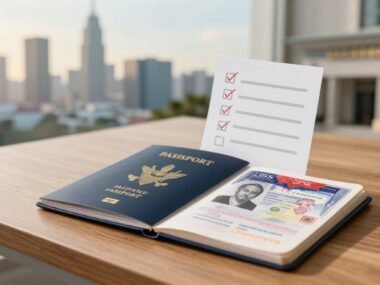
Travel-Ready Checklist You Can Print or Save on Your Phone
Build a simple checklist with three parts.
Passport checks
- Passport valid for at least 6 months after your return date.
- At least 2 blank pages for stamps or visas.
- Name and photo match your current ID.
- Paper and digital copies saved separately from the original.
Visa checks
- Checked if you need a visa for each country.
- Applied early, with support documents ready.
- Printed or saved proof of approval or e‑visa email.
- Read entry and exit rules, including return‑ticket rules.
Safety checks
- Scanned main passport page and stored it in a secure folder.
- Shared a copy with a trusted friend or family member.
- Written down embassy contact details for each country.
You can print this, keep it beside your suitcase, or save it in your phone’s notes app.
File Name and ALT Text Ideas for Your “Difference Between Visa and Passport” Infographic
Your image should speak clearly to humans and to assistive tools.
Use a file name like:
difference-between-visa-and-passport-checklist-2025.png
For ALT text, you could write:
“Infographic showing the difference between visa and passport with a simple checklist for travelers.”
This kind of ALT text includes the phrase “difference between visa and passport” but still reads like normal English. It helps people who use screen readers and also helps more readers discover your content.
Conclusion
You now understand the core difference between a passport and a visa, and how passport and visa services can turn stress into a clear plan. You know when you can handle things on your own, when to use services near you, and how to tell if a company is legit.
Start early. Check official sites first, then use local reviews, maps, and call buttons to find safe help in cities like Los Angeles, New York, Phoenix, and beyond. When you reduce last‑minute panic, you protect your energy, your sleep, and your overall sense of safety on the road.
Your next small step: save the checklist from this article, or sketch your own version, before you book your next trip. Your future self at the airport will thank you.

 Enu
Enu